


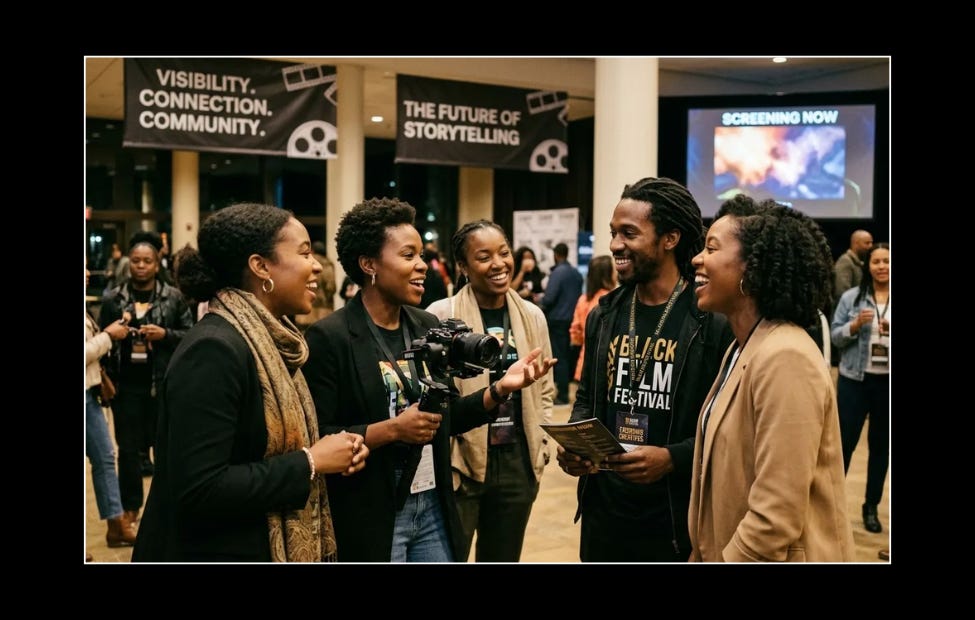
Building a name for oneself can be daunting—especially for Black filmmakers in a predominantly white and male-dominated industry. The first question most artists ask themselves is: how can I share my voice with a larger audience? For example, film school provides resources for student filmmakers such as mentorship and hands-on access to equipment. Another strategy is one-on-one networking, which has expanded significantly with technological advancements. Networking is no longer only in-person, but remote as well via social media channels and professional applications.
However, beyond these approaches lies an enriching community of Black film festivals—regional, national, and global—waiting for the next storyteller’s perspective. Through these in-person and hybrid events, new talent can attend workshops, make valuable connections, and build interpersonal relationships with fellow filmmakers.
What Can Film Festivals Ultimately Offer?
They are not only for visibility—they serve as a launchpad. These festivals allow for:
Broader spectatorship from viewers, award-winning writers, filmmakers, and actors alike.
Connections with peers, mentors, and industry executives, directors, and producers.
Read-throughs for local actors and screenwriters.
Introspective panels and Q&As.
Screenings of features or short films.
Advice for Emerging Creatives:
Keep a journal, drive, or portfolio of your journey. Growth is key.
Develop festival reels, shorts, or trailers. This provides a tangible summary for viewers and festival coordinators.
Be intentional about which festivals fit your project, story, and voice. This includes considering the geographic location and the festival’s scale.
Pursue connections intentionally. Being visible is the first step to reaching financial, emotional, and social success. With that said, connections are a two-way street. What can you offer the executive, creative, or industry professional that they need? In this industry, experience is a currency in itself.
Be specific during coffee chats or entry-level calls. Make sure you are asking directly for what you need. Do not shy away from asking for help! This is an industry where you must rely on your community at every single stage: the students you went to school with, your professors, and your mentors.
Welcome constructive feedback. Through festival script reads and panel discussions, artists can receive valuable input from industry mentors and spectators.
Showing up matters. While an online presence is important, in-person visibility is vital. Social media can often remove the personal touch of a connection. Being present at events allows artists to see the human behind the camera.
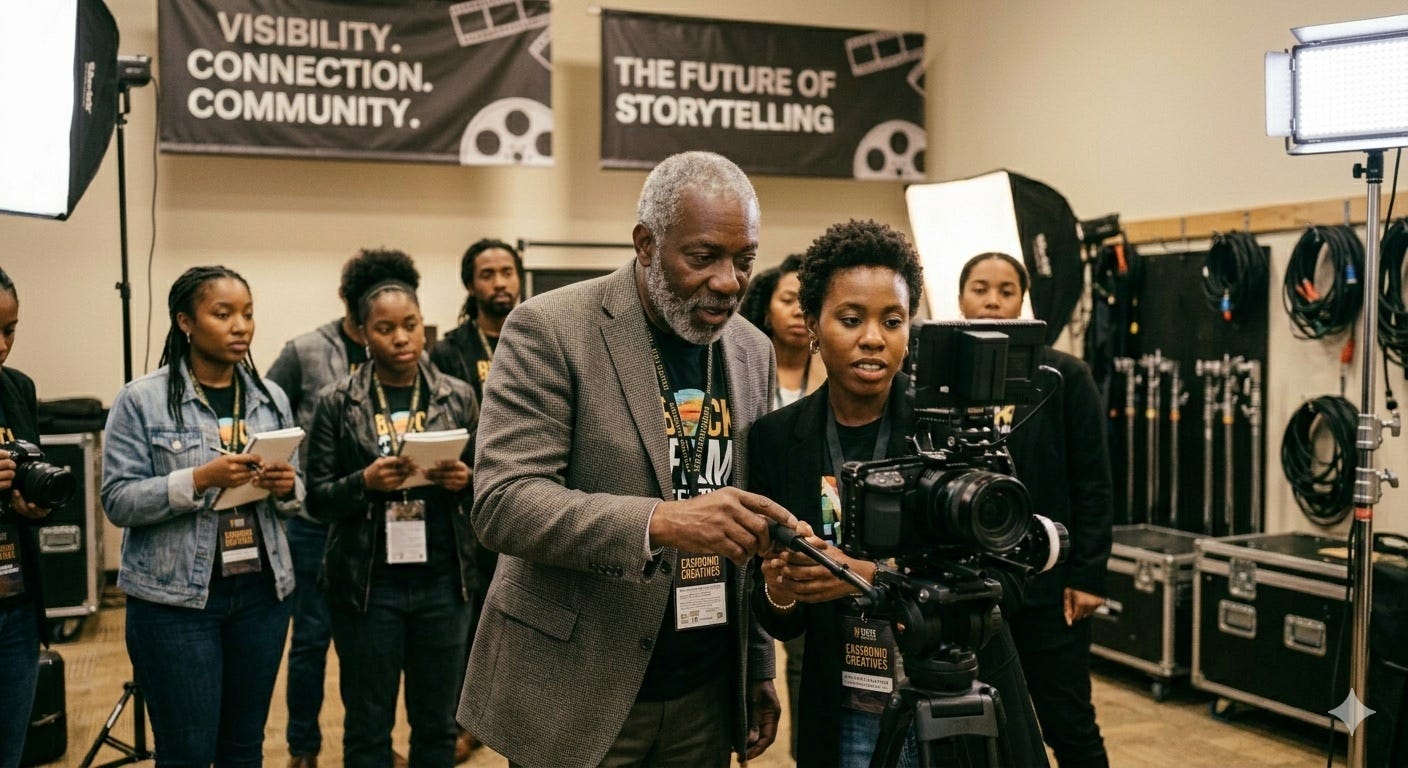
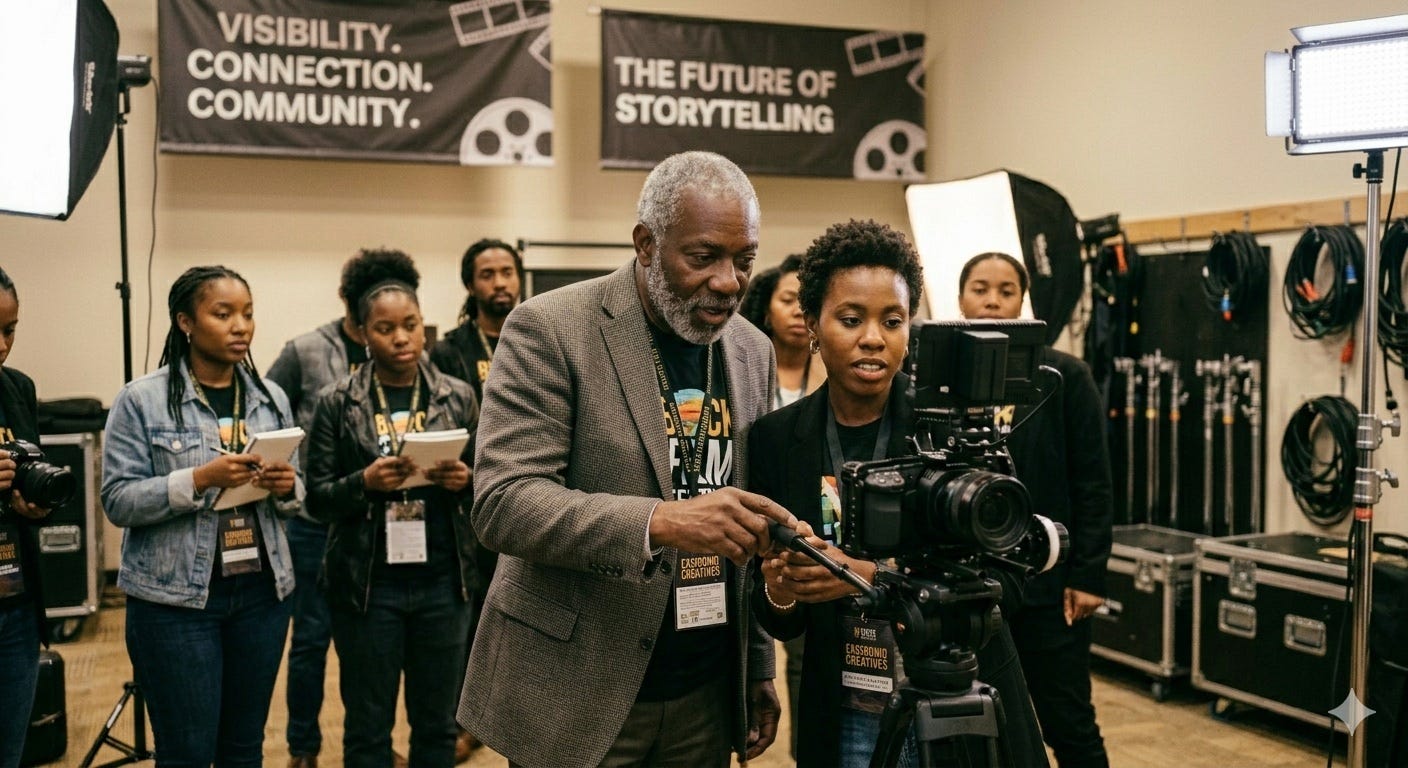
For Post-Graduate Filmmakers:
It is crucial to explore your options, as Hollywood is always shifting. Entering the industry immediately may or may not be the right path for you. You may want to apply to graduate film programs or seek freelance work. There is no single correct answer—you must follow whatever fits your academic, professional, and personal goals at that moment. However, for Black creatives looking to carve their path, there is a diverse array of Black film festivals searching for emerging and established talent:
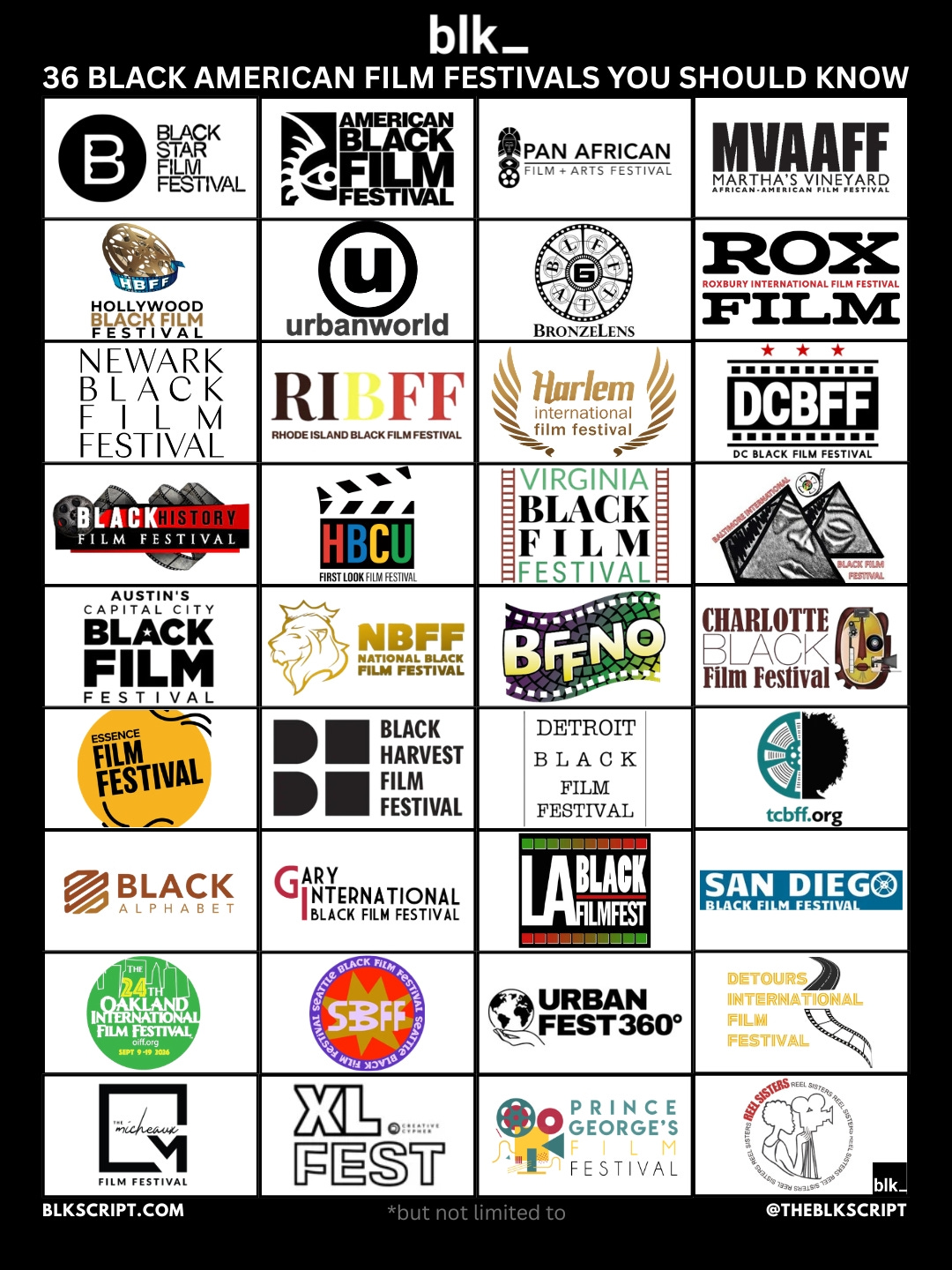
Renowned Black Film Festivals:
BlackStar Film Festival – Philadelphia, Pennsylvania (Oscar Qualifying)
American Black Film Festival – Miami, Florida (Oscar Qualifying)
Pan African Film Festival – Los Angeles, California (Oscar Qualifying)
Martha’s Vineyard African American Film Festival – Oak Bluffs, Massachusetts (Oscar Qualifying)
Hollywood Black Film Festival – Hollywood, California
Urbanworld Film Festival – New York, New York (Oscar Qualifying)
BronzeLens Film Festival – Atlanta, Georgia (Oscar Qualifying)
Regional Black Film Festivals:
Mid-Atlantic to Northeast
Roxbury International Film Festival – Boston, Massachusetts
Newark Black Film Festival – Newark, New Jersey
Rhode Island Black Film Festival – Providence, Kingston, and Newport, Rhode Island
Harlem International Film Festival – Harlem, New York
Reel Sisters of the Diaspora Film Festival - Brooklyn, New York
DMV
DC Black Film Festival – Washington, D.C.
DC Black History Film Festival – Washington, D.C.
HBCU First LOOK Film Festival – Howard University, Washington, D.C.
Virginia Black Film Festival – Williamsburg, Virginia
Baltimore International Black Film Festival – Baltimore, Maryland
Prince George’s Film Festival - Prince George’s County, Maryland
South
Capital City Black Film Festival – Austin, Texas
Houston Black Film Festival – Houston, Texas
New Orleans Black Film Festival - New Orleans, Louisiana
Charlotte Black Film Festival - Charlotte, North Carolina
Essence Festival – New Orleans, Louisiana
Urban Fest 360 - Orlando, Florida
Detours International Film Festival - Orlando, Florida
Midwest
Black Harvest Film Festival – Chicago, Illinois
XL Fest - Chicago Illinois
Detroit Black Film Festival – Detroit, Michigan
Twin Cities Black Film Festival – Minneapolis, Minnesota
Black Alphabet Film Festival – Chicago, Illinois
Gary International Black Film Festival – Gary, Indiana
West Coast
LA Black Film Festival – Los Angeles, California
Micheaux Film Festival - Culver City, California
San Diego Black Film Festival – San Diego, California
Oakland International Film Festival – Oakland, California
Seattle Black Film Festival – Seattle, Washington
These are only a few of the Black film festivals reaching audiences nationwide and internationally. They are not only examples of cultural jubilee and exchange, but symbols of empowerment through community-based opportunities and initiatives. By supporting these festivals with intentionality and care, we spread love to the artists, leaders, and activists working behind the scenes.