


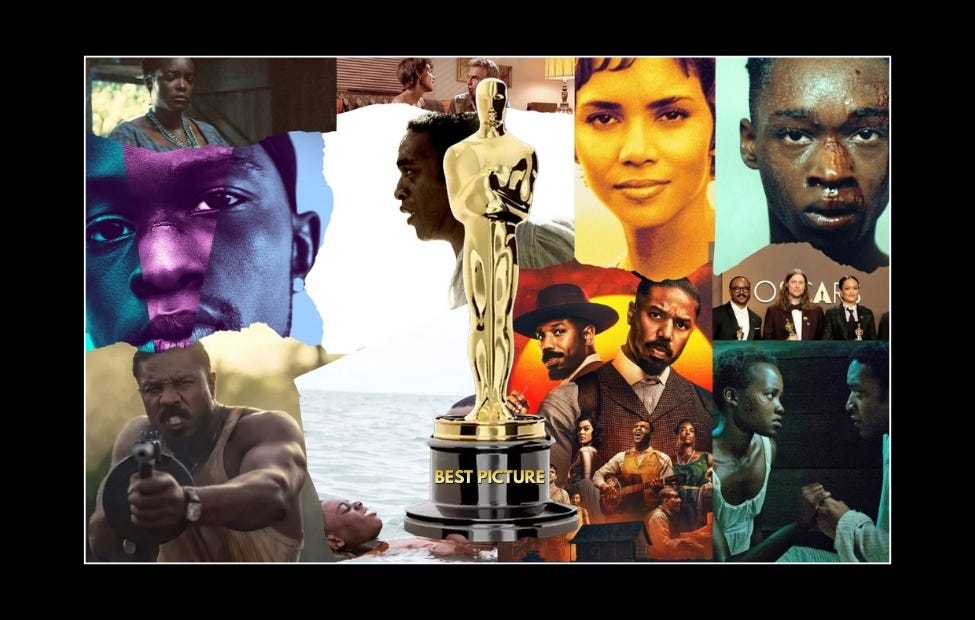
For nearly a century, the Academy Awards have represented Hollywood’s highest honor. Winning Best Picture is meant to define the film that shaped cinema in a given year.
But the history of the Oscars also reveals a long-standing gap in whose stories receive the industry’s highest recognition.
A closer look at the Academy’s history and voting demographics helps explain why those gaps persist.
Since the first ceremony in 1929, thousands of artists have been nominated for Academy Awards. Yet nominees from underrepresented racial and ethnic groups account for only about 6% of all Oscar nominations historically, according to research analyzing more than 13,000 nominations across the ceremony’s history.
That disparity becomes even more visible in the ceremony’s most prestigious categories.


Only a small number of films centered on Black stories have won Best Picture. Among the most notable are 12 Years a Slave, directed by Steve McQueen, and Moonlight, directed by Barry Jenkins. Both victories were historic moments, but they remain rare milestones in nearly a century of awards.
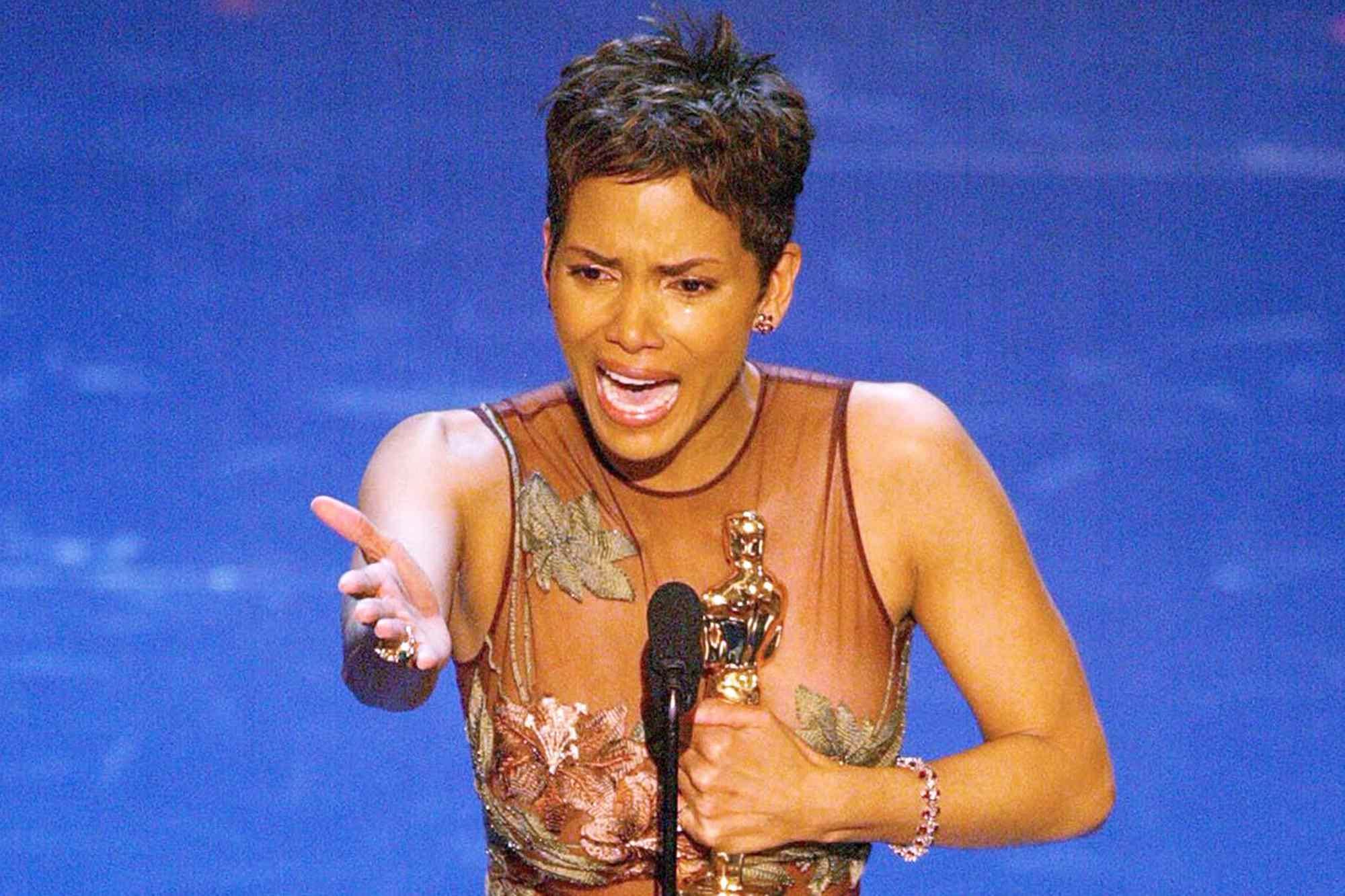
Other categories tell a similar story. Only one Black woman has ever won Best Actress — Halle Berry for Monster’s Ball in 2002 — a statistic that still stands more than two decades later.
Recent ceremonies have shown signs of progress. More artists of color are being nominated, and historic wins have occurred across several craft categories. Those changes followed widespread criticism during the Oscars So White, which pushed the Academy to expand and diversify its membership.
But nominations and visibility do not always translate to recognition at the very top.
The 2026 Oscars reflected that tension. The ceremony featured Black performers, presenters, and creatives throughout the broadcast, and several artists won awards in individual categories. Yet the final prize of the night — Best Picture — again went to a film outside the wave of Black-led projects many viewers believed defined the year.
Moments like that often reignite the same question: who ultimately decides which films represent the best of Hollywood?
The Academy of Motion Picture Arts and Sciences now has nearly 10,000 voting members. As of 2024, about 20–22% of its membership comes from underrepresented racial or ethnic communities, an increase from a decade ago when studies found the Academy was 94% white and 77% male.
While that progress is meaningful, the makeup of the voting body still plays a major role in shaping which films rise to the top.
Winning Best Picture does more than recognize a single film. It can influence which stories receive studio funding, which filmmakers gain larger opportunities, and which narratives Hollywood chooses to prioritize in the years ahead.
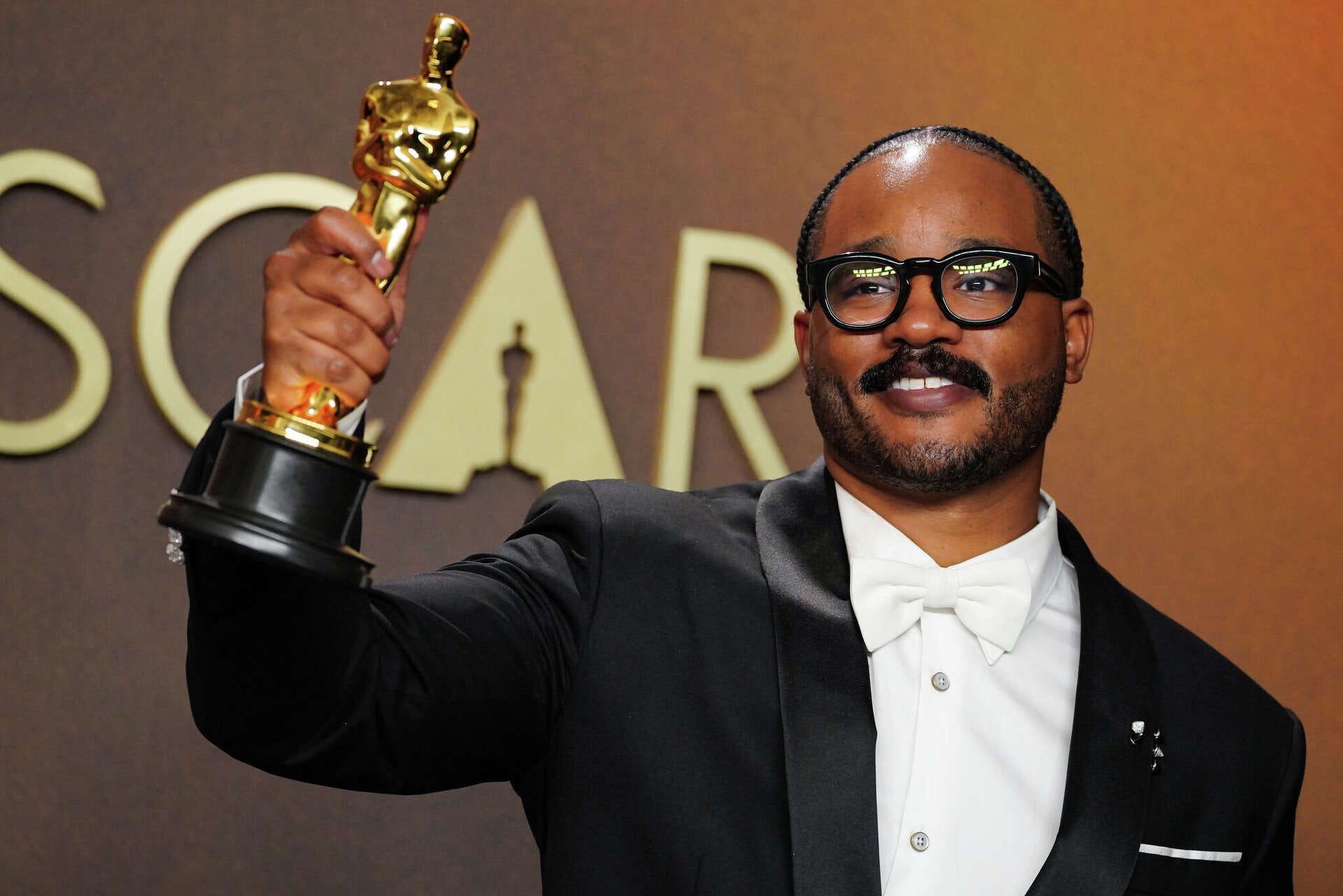
Black filmmakers have already reshaped modern cinema. Directors such as Spike Lee, Ava DuVernay, and Ryan Coogler have proven that films centered on diverse perspectives can succeed both critically and commercially.
But recognition does not have to come from only one place.


If the industry truly wants to celebrate Black storytelling, it must also support platforms that center those voices from the start. Award ceremonies such as the TheGrio Awards and the Hollywood Unlocked Impact Awards provide spaces where Black creators and cultural leaders are celebrated on their own terms.
Those platforms matter because they recognize contributions that traditional institutions sometimes overlook.
The Oscars remain one of the most influential stages in entertainment, and continued progress within the Academy is important. Expanding membership and inviting more Black filmmakers, producers, and creatives into the voting body will help shape a more representative future.
At the same time, the industry must continue building and supporting spaces that celebrate Black excellence independently.
Because representation on stage matters.
But building our own seats at the table may matter even more.
— REAVES // @wildreaves